Autistic doctors exist—and they are competent, compassionate, and invaluable members of the medical profession. Yet, outdated perceptions continue to suggest that a doctor must think, communicate, or behave in one rigid, neurotypical way. Medicine, however, has never thrived on uniformity. It thrives on diversity—of minds, perspectives, and approaches to care.
Autism does not diminish clinical judgement, empathy, leadership, or professionalism. On the contrary, many autistic doctors bring qualities that significantly enrich healthcare. Heightened attention to detail, deep focus, strong ethical integrity, honesty, and a patient-centered approach rooted in careful listening are often hallmarks of autistic clinicians.
Strengths That Enhance Patient Care
Autistic doctors frequently excel in areas that matter most to patients and healthcare systems alike. Many are fierce advocates for individuals who feel dismissed or unheard. Their commitment to evidence-based medicine ensures meticulous, thoughtful clinical decisions, while their ability to focus deeply supports accuracy and consistency in care.
Long-term therapeutic relationships often flourish under their care, particularly in fields that value continuity, trust, and holistic understanding. Additionally, their unique ways of thinking foster innovation, critical analysis, and fresh perspectives in clinical practice.
Beyond Pity: The Need for Respect and Understanding
What autistic doctors need is not lowered expectations or sympathy—but reasonable adjustments, genuine understanding, and professional respect. The standards of professionalism applied to any doctor should apply equally, without prejudice or stereotyping. Capability is not defined by neurology, and empathy is not confined to a single communication style.
Breaking the Stigma
Challenging stigma means recognizing that neurodiversity strengthens healthcare systems. Excellence in medicine has many faces, and no single way of thinking holds a monopoly on compassion or competence. When diverse minds are welcomed, patients benefit from richer, more inclusive care.
Neurodiversity belongs in healthcare.
Competence is not defined by neurology.
Empathy transcends communication styles.
Excellence in medicine is multifaceted.
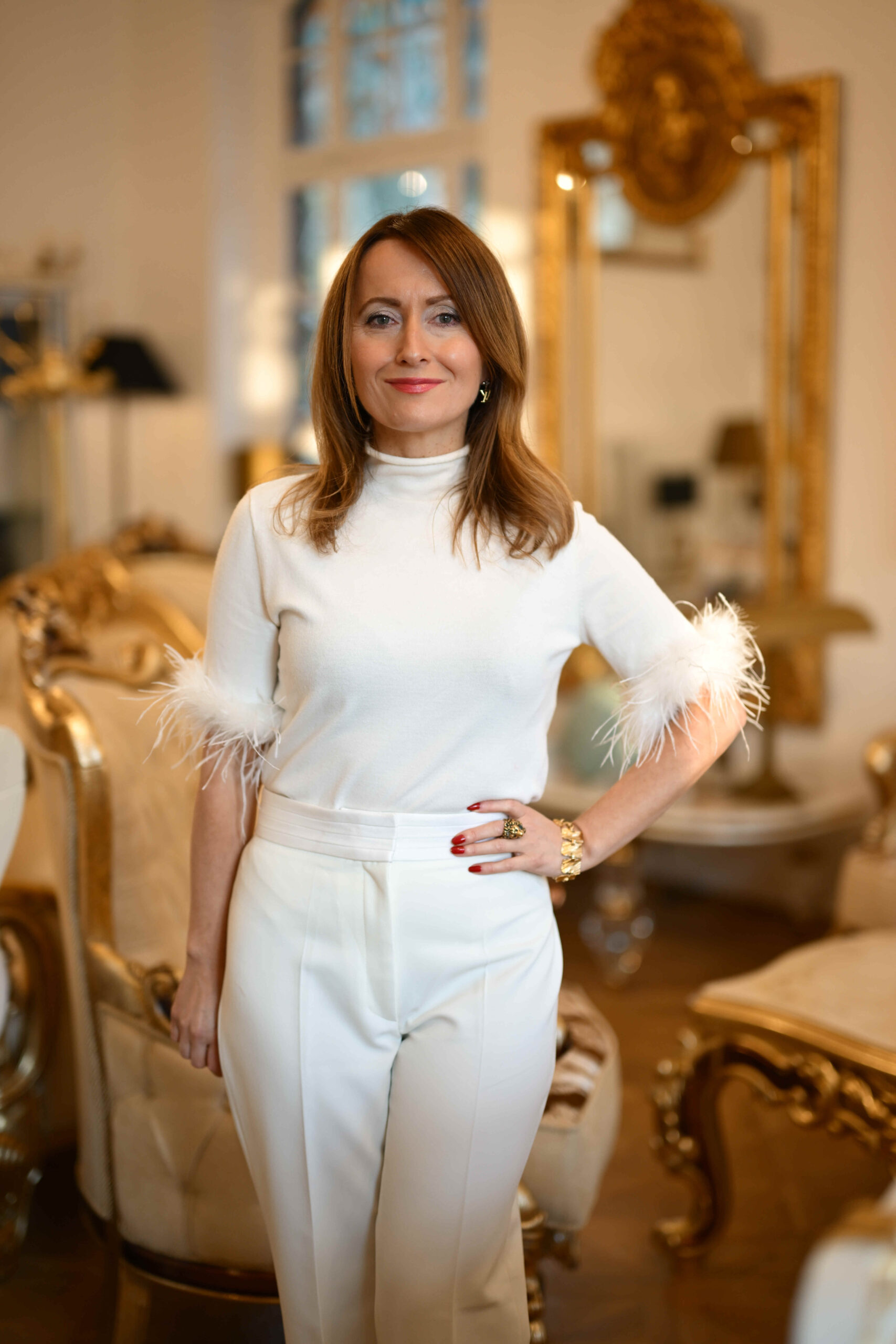
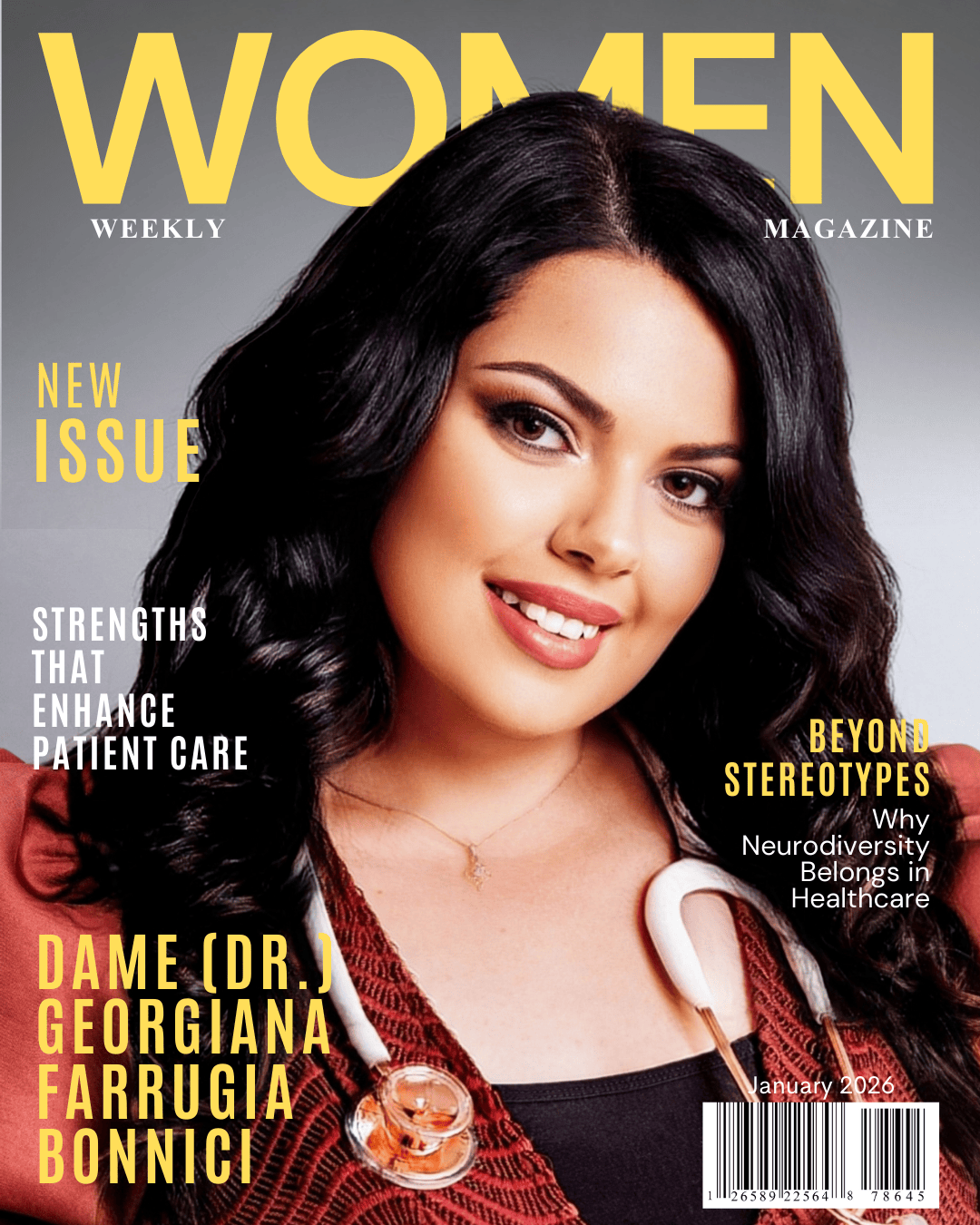
By Dame (Dr.) Georgiana Farrugia Bonnici
Specialist in Family Medicine
(with an interest in preventive medicine, mental health & geriatrics)
Qualifications:
MRCGP (Int.), MD, MSc Family Medicine
BSc (Hons). Radiography
Additional Diplomas:
Mindful Mental Health, Cognitive Behavioral Therapy, Nutrition & Dietetics, Homeopathy & Reflexology, Gerontology & Geriatrics, Creative Writing & Interior Design