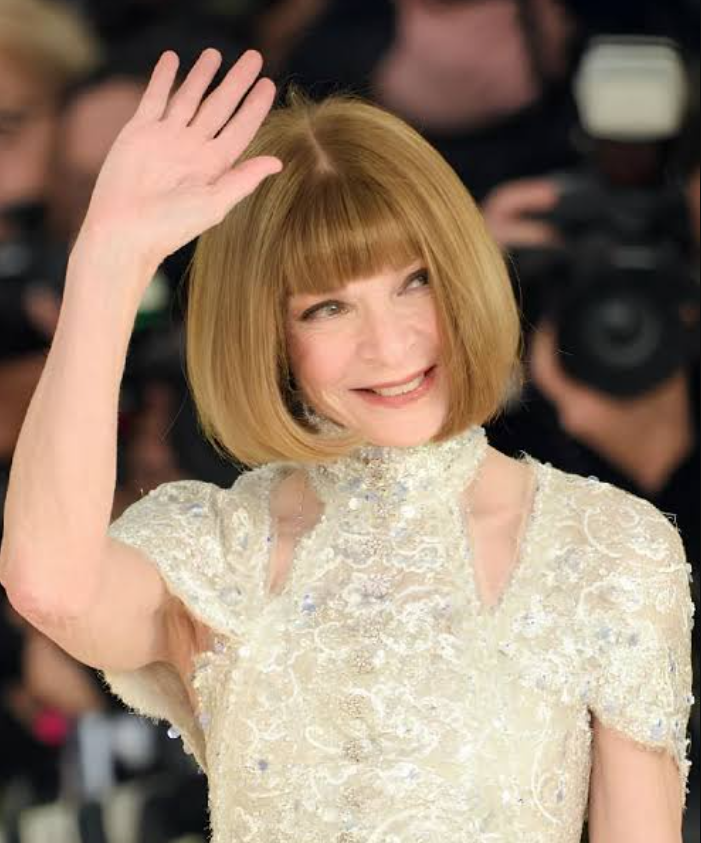
Few figures have had as much influence on the global fashion industry as Anna Wintour. For decades, her distinctive leadership, sharp editorial vision, and ability to recognize emerging talent have helped shape conversations around fashion, culture, entertainment, and creativity.
Wintour’s career began in journalism in London, where she developed an early reputation for having a strong understanding of style and an instinct for identifying what could capture public attention. Her experience across fashion publications eventually brought her to the United States, where she became editor in chief of Vogue in 1988.
Her arrival at the magazine marked a significant period of transformation. Rather than treating fashion as an isolated world of designers and clothing, Wintour helped position it within a much broader cultural landscape. Under her direction, Vogue increasingly connected fashion with film, music, politics, art, celebrity, and changing social attitudes.
One of her most recognizable contributions has been her approach to magazine covers. Wintour understood that a cover could do more than display a beautiful image—it could create a cultural conversation. Her editorial choices helped bring actors, musicians, athletes, political figures, and other influential personalities into fashion media, reflecting the increasingly interconnected nature of popular culture.
Wintour has also played an important role in supporting designers and emerging creative talent. Her influence within the industry has allowed her to champion new voices while maintaining strong relationships with established fashion houses. For many designers, appearing in major fashion publications can provide valuable visibility, and Wintour’s editorial decisions have often helped determine which names receive that attention.
Her influence extends beyond the pages of a magazine. Through her involvement with the Council of Fashion Designers of America and the Met Gala, she became an important figure in the business and cultural infrastructure of American fashion. The Met Gala, in particular, evolved into one of the world’s most closely watched annual fashion events, bringing together designers, celebrities, artists, and cultural leaders.
Wintour’s leadership style has often been described as demanding and highly disciplined. Her reputation for precision reflects an industry where timing, presentation, and attention to detail can have enormous consequences. Yet behind that exacting approach is a clear understanding of the importance of maintaining relevance in a rapidly changing media environment.
The digital transformation of journalism presented another major challenge. Fashion audiences increasingly began consuming content through websites, social platforms, video, and other digital channels. Wintour’s career demonstrates an ability to operate within this changing environment while preserving the editorial authority associated with traditional fashion publishing.
Her signature appearance and unmistakable presence have also made her recognizable far beyond the fashion industry. However, her lasting significance is not simply connected to her public persona. It is rooted in the institutions, designers, photographers, writers, and cultural movements she has helped bring into the spotlight.
Anna Wintour’s story is ultimately about influence. She helped redefine what a fashion publication could represent and demonstrated that fashion could serve as a reflection of broader cultural change. Through editorial leadership, industry involvement, and talent development, she became one of the most consequential figures in modern fashion.
As the industry continues to evolve through technology, sustainability, changing consumer expectations, and new creative voices, Wintour’s impact remains part of its history. Her career illustrates how strong editorial judgment can influence not only what people wear, but also how fashion is understood, discussed, and remembered.