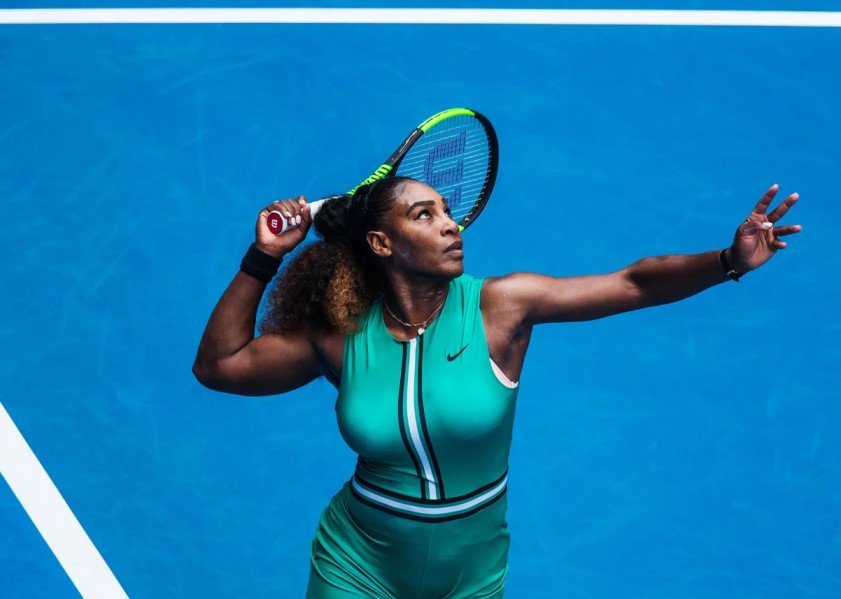
Serena Williams is more than a name associated with tennis. Over the course of an extraordinary career, she became a symbol of determination, excellence, resilience, and ambition. Her impact reaches far beyond championship trophies, influencing sports, business, fashion, motherhood, and conversations about the opportunities available to women around the world.
Born in Michigan and raised in California, Serena began learning tennis alongside her sister Venus Williams under the guidance of their father, Richard Williams. From a young age, she developed an intensely competitive mindset and an unwavering commitment to improvement. Her path was far from conventional, but that determination would eventually help her become one of the defining athletes of her generation.
Serena’s professional career transformed women’s tennis. Her powerful serve, athletic movement, mental toughness, and aggressive style challenged traditional expectations of how the sport could be played. She competed against some of the strongest players of her era and repeatedly demonstrated an ability to perform under immense pressure.
Her collection of Grand Slam singles championships established her among the most successful players in tennis history. Yet her achievements cannot be measured solely by statistics. Serena repeatedly returned from setbacks, injuries, defeats, and difficult moments to compete at the highest level. Her ability to rebuild herself after adversity became one of the most compelling elements of her story.
Throughout her career, Serena also became an important voice for women and girls. She openly discussed issues involving confidence, equality, motherhood, and the challenges women can encounter in professional environments. Her willingness to speak publicly about these subjects helped encourage broader conversations about representation and fairness in sports.
Her influence expanded beyond tennis as she entered the worlds of fashion, entrepreneurship, and investment. Through her business activities, Serena demonstrated that athletes can build meaningful identities outside their primary profession. She has supported founders and companies while developing ventures of her own, bringing an athlete’s competitive mindset into the business world.
Motherhood became another important chapter in Serena’s life. After becoming a mother, she continued pursuing professional tennis while navigating the demanding responsibilities that came with parenthood. Her experience resonated with women who balance ambitious careers with family responsibilities and challenged outdated assumptions about what professional success should look like after having children.
Serena’s relationship with fashion has also contributed to her cultural influence. From bold tennis outfits to collaborations and business ventures, she has used clothing as a form of personal expression. Her approach helped push the boundaries of traditional sportswear and encouraged greater individuality within professional athletics.
What makes Serena’s legacy particularly powerful is the combination of achievement and perseverance. She did not simply participate in a sport dominated by established traditions; she helped reshape its possibilities. Her success inspired countless young athletes who saw in her a model of confidence, discipline, and self-belief.
Even after stepping away from competitive tennis, Serena remains a prominent figure in global culture. Her work as an entrepreneur, investor, mother, and advocate continues to expand the influence she developed through sport.
Serena Williams’ story ultimately demonstrates that greatness is not defined only by victories. It is also reflected in the barriers overcome, the people inspired, and the opportunities created for those who follow. From the tennis court to the business world, she has built a legacy that extends well beyond the sport that made her famous.
Her career stands as a reminder that talent may open the door, but persistence, courage, and the willingness to evolve can determine how far someone ultimately goes.