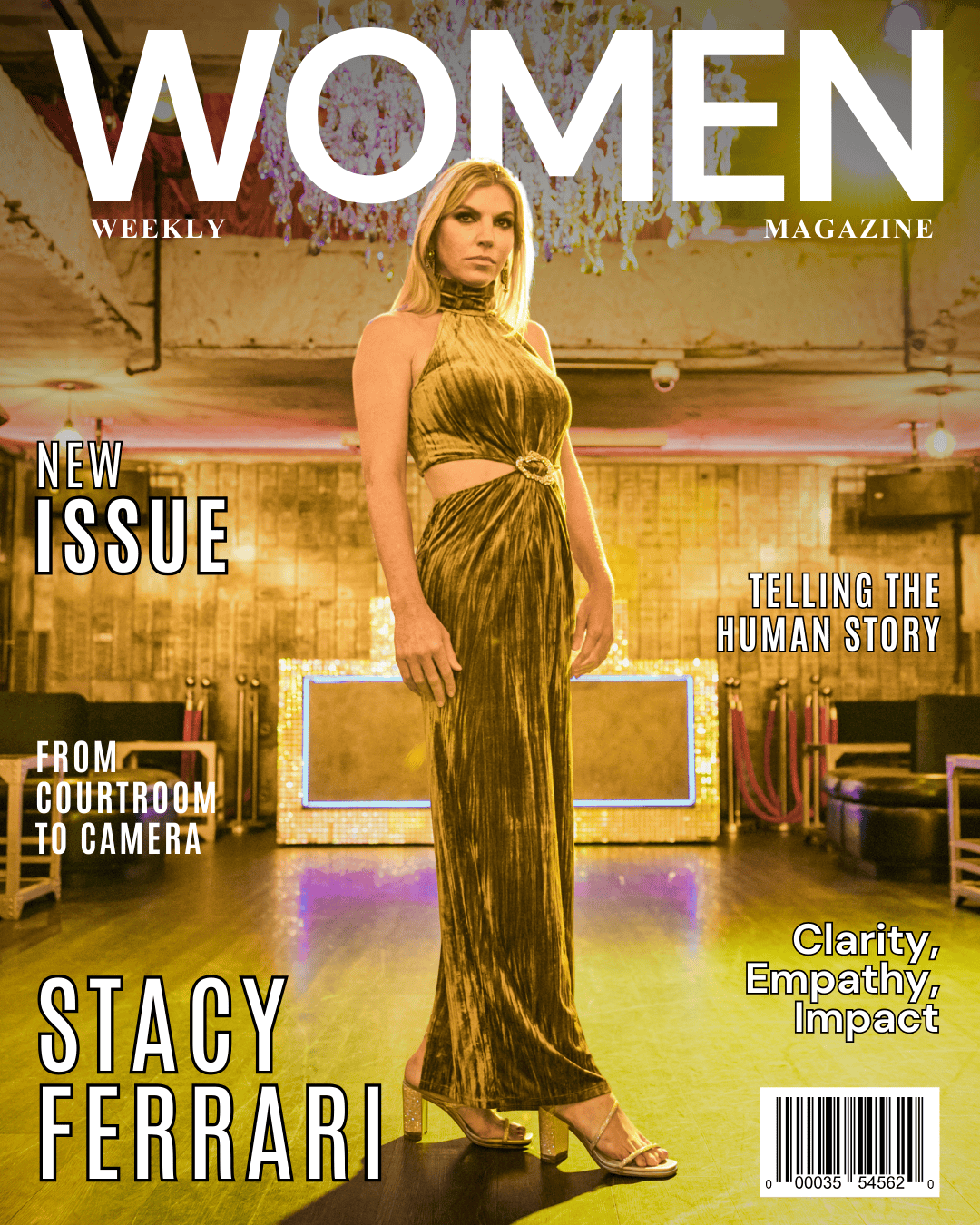
Interviewer: Stacy, many people know you as the founder of Kemp Law Group, but recently you’ve expanded into filmmaking. How do you see these two worlds connecting?
Stacy A. Kemp: For me, they’ve always been connected. Law has never just been about statutes and procedures—it’s about people and their lived experiences. Film is simply another medium to advocate for those experiences. In the courtroom, I worked to help judges and juries understand someone’s story. Through film, I’m doing the same thing, just on a broader stage.
Interviewer: Your path into law wasn’t traditional. How did your early career shape your approach today?
Kemp: Before law school, I spent more than seven years as a court reporter. I was literally recording every word spoken in court, but I was also observing how stories were framed and how intimidating the legal process could be for people who didn’t understand it. That time taught me that clarity and empathy can be just as powerful as legal arguments. It fundamentally shaped how I practice law and how I think about justice.
Interviewer: What motivated you to go to law school after that experience?
Kemp: I didn’t want to enter the profession just to follow the existing model. I went to law school because I believed the system could work better for people. My goal was to challenge the status quo and create an approach that was more accessible and more humane.
Interviewer: That mindset led you to start your own firm early on.
Kemp: Exactly. Founding Kemp Law Group gave me the freedom to build something different from the ground up. I didn’t have inherited clients or traditional mentorship, so I focused on creating systems that reduced confusion for clients and prioritized communication. That eventually evolved into our remote-first model, which allows us to serve clients across Florida without being tied to physical office spaces.
Interviewer: The firm has grown significantly since then.
Kemp: It has, and growth only matters to me if it aligns with our values. We now employ more than 70 people, and diversity and inclusion are intentional priorities. We want to create opportunities for women, minorities, and young professionals who may not have had easy access to the legal field in the past.
Interviewer: How did filmmaking enter the picture?
Kemp: Storytelling has always been central to my work. After years of listening to client stories and seeing how narrative shapes understanding in legal settings, film felt like a natural extension. Whether you’re speaking to a jury or an audience, the goal is the same—to foster empathy and help people see perspectives they might otherwise overlook.
Interviewer: You and your partner Bastiano Ferrari are inviting audiences into your lives and creative process through a new reality series unfolding in real time. What inspired you to take such a transparent approach, and what do you hope viewers gain from witnessing this journey as it happens?
Kemp: Transparency has always been central to how we live and work. We didn’t want to create something overly polished or performative—we wanted it to reflect the reality of building meaningful work while staying grounded in faith, partnership, and purpose. By sharing this process in real time, we’re inviting people into the moments of growth, challenge, and alignment that usually stay behind closed doors. My hope is that viewers see what’s possible when you lead with intention and values, even when the path isn’t perfectly mapped out.
Interviewer: Much of your work—both in law and now in film—centers on empathy, clarity, and impact. How do those values guide the types of stories you and Bastiano choose to tell together?
Kemp: Every project we take on starts with the same question: Does this story serve people? We’re drawn to narratives that feel honest and emotionally resonant—stories that reflect real experiences and create space for understanding. Bastiano brings an incredible ability to connect with audiences at scale, and I approach storytelling through an advocacy lens. Together, we’re intentional about creating work that doesn’t just entertain but leaves people feeling seen, challenged, or inspired to think differently.
Interviewer: Balancing leadership, creativity, and partnership can be complex—especially in such a public space. What have you learned about building a values-based business and creative life alongside your spouse?
Kemp: We’ve learned that alignment matters more than perfection. Working together requires constant communication, mutual respect, and a shared commitment to something bigger than either of us individually. There are moments when it’s challenging, but our faith and shared values anchor us. We don’t measure success by visibility alone—we measure it by integrity, impact, and how we treat people along the way. Building together has deepened both our partnership and our purpose.
Interviewer: What kinds of projects are you drawn to as a filmmaker?
Kemp: I’m interested in authentic, human-centered stories, especially those that elevate voices that are often unheard. Just as I’ve worked to demystify complex legal realities, I want these films to be thoughtful and impactful, leaving people with something to reflect on long after they’re over.
Interviewer: Looking ahead, what’s next for you?
Kemp: I plan to continue growing the firm within our people-first, remote-based framework while deepening collaborations that connect legal advocacy with creative and social impact. For me, justice isn’t only about outcomes—it’s about how people are treated along the way.
Interviewer: When you think about legacy, what matters most?
Kemp: Impact. I hope my work—both in law and in film—is remembered for service, for lifting others up, and for amplifying voices that deserve to be heard. True success is creating change that lasts beyond any single case or project.