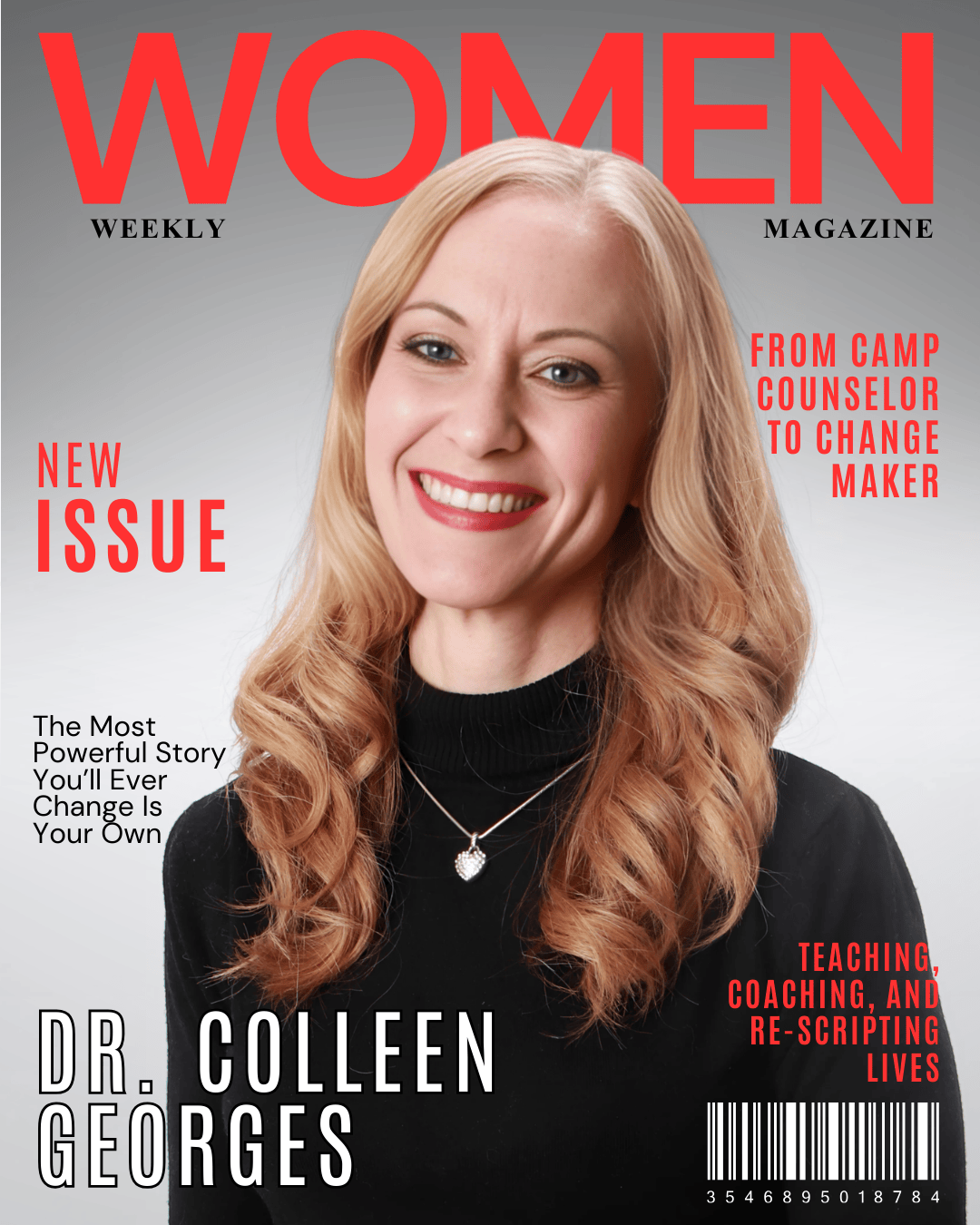
Interviewer: Dr. Colleen, your career as a life coach and educator spans decades, but it all started quite early. Can you take us back to the beginning?
Dr. Colleen Georges: Absolutely. My path into counseling and coaching began when I was just 14 years old. I took my first job as a camp counselor, and even then, I felt this spark—this deep fulfillment that came from helping others feel more confident and capable. That feeling never really left me.
Interviewer: That spark clearly shaped your academic choices.
Dr. Colleen: It did. I studied psychology in college and spent my undergraduate years working with teens in foster care. Those experiences showed me how essential support is when people are facing really difficult circumstances. At the time, I thought I would become a family therapist—that was the original plan.
Interviewer: But your path shifted in graduate school.
Dr. Colleen: Yes, during my first year an advisor encouraged me to try an internship in career counseling at Rutgers University. That decision opened the door to more than twenty years in higher education. I worked closely with students on academics, careers, and personal growth, and I kept noticing the same pattern: people weren’t just blocked by external challenges, but by their internal dialogue.
Interviewer: Your work is deeply personal as well as professional.
Dr. Colleen: Very much so. In my twenties, I struggled with chronic anxiety, panic attacks, and intense self-doubt. I saw firsthand how powerful negative self-talk can be in shaping how we see ourselves and our potential. Instead of letting that define me, I became my own first client.
Interviewer: And that’s where RESCRIPT was born?
Dr. Colleen: Exactly. I used cognitive-behavioral techniques, mindset work, and gratitude practices to change my thinking patterns. Over time, I combined those tools with my professional experience and created the RESCRIPT framework. It’s grounded in what I’ve seen work—in my own life and in the lives of my clients and students.
Interviewer: Can you briefly explain what RESCRIPT stands for?
Dr. Colleen: It’s an acronym for Release Rumination, Engage Growth Goals, Seek Strengths, Challenge Catastrophizing, Restrict Regret, Invite Imperfection, Pursue Passion & Purpose, and Think Thankfully. Each part matters, but gratitude—Think Thankfully—was the practice that helped me most during my hardest years.
Interviewer: Why gratitude in particular?
Dr. Colleen: A consistent gratitude practice created the biggest shift for me. It didn’t fix everything overnight, but it trained my brain to focus less on worst-case scenarios and more on what was already working. I still practice it every single day.
Interviewer: You often talk about the “Inner Antagonist.” What is that?
Dr. Colleen: It’s that negative inner voice that fuels self-doubt and fear. I teach clients to notice exactly what it’s saying, write it down, and then create a more compassionate alternative. In the moment, I’ll even suggest saying your own name and telling yourself, “Stop—thinking this way isn’t helping you.”
Interviewer: And then?
Dr. Colleen: Then you shift to what you control. Ask, “What can I do right now?” If your mind says, “You’re going to bomb this interview,” you replace it with something grounded and true: “You’re prepared. You know your strengths.” Discomfort doesn’t mean danger, even though our minds love to suggest that it does.
Interviewer: Silencing the critic is one thing—but you also emphasize strengthening the “Inner Advocate.”
Dr. Colleen: Yes, that’s crucial. The Inner Advocate is built through small habits—acknowledging strengths, allowing imperfection, and even telling yourself why you’re proud of yourself. People rarely do that, but it’s incredibly powerful. When stress hits, that inner voice is ready to remind you: “You’ve done hard things before. You can do this too.”
Interviewer: Was there a moment when you had to practice this yourself?
Dr. Colleen: Many times—but one stands out. I was invited to co-teach a women’s leadership course at Rutgers, and public speaking terrified me. I had a mentor who believed in me, so I said yes despite the fear. That decision changed everything. I fell in love with teaching and speaking, and I’ve now been teaching a version of that course for 15 years.
Interviewer: A powerful example of fear leading to growth.
Dr. Colleen: Fear often shows up right before something meaningful.
Interviewer: That message reached a global audience through your TEDx talk.
Dr. Colleen: Yes—“Re-Scripting the Stories We Tell Ourselves.” I wanted people to understand that we aren’t stuck with old narratives. We can change them in small, practical ways. That talk really clarified the heart of my work: helping people choose stories that support who they want to become.
Interviewer: Your work is rooted in positive psychology.
Dr. Colleen: It’s the foundation of everything I do—helping people understand their strengths, pursue meaningful careers, and live fulfilling lives. I’ve completed many coaching certifications because I love learning and building a toolkit that’s both research-based and practical.
Interviewer: And the results speak for themselves.
Dr. Colleen: One client dreamed of performing a one-woman show off-Broadway but was held back by fear. Together, we rescripted her self-talk and created a realistic plan. Her first three shows sold out in under an hour. Sitting in the audience on opening night, holding a Playbill with her name on it—that was unforgettable.
Interviewer: You balance many roles. How do you make it work?
Dr. Colleen: Intentionality and structure. I time-block, wake up early for quiet reflection, and protect evenings for my family. I regularly check in with myself to make sure I’m not just productive but actually living with purpose and joy.
Interviewer: Finally, what does the future hold?
Dr. Colleen: Honestly, more of what I’m already doing. I love my life and my work. I want to keep supporting clients, showing up for my community, and letting my path be guided by what feels right. That, to me, is success.
Interviewer: Thank you, Dr. Colleen, for sharing your story.
Dr. Colleen: Thank you. If my journey shows anything, it’s that the most powerful story we can change is the one we tell ourselves.